
You might think obesity is just about being overweight. But what if I tell you that you could have a normal weight and still be clinically obese or have BMI and be perfectly healthy? In this blog, I will explain to you how we as doctors assess obesity. Not just by the scale, but how we measure how much fat you have, where it is concentrated, and what it is doing to your organs, your daily life and your future health.
BMI: the good and the bad
In our clinics, we usually start by calculating what we call the body mass index (BMI). This is the most common method for understanding obesity in a person. To figure out your BMI, we use a simple equation:
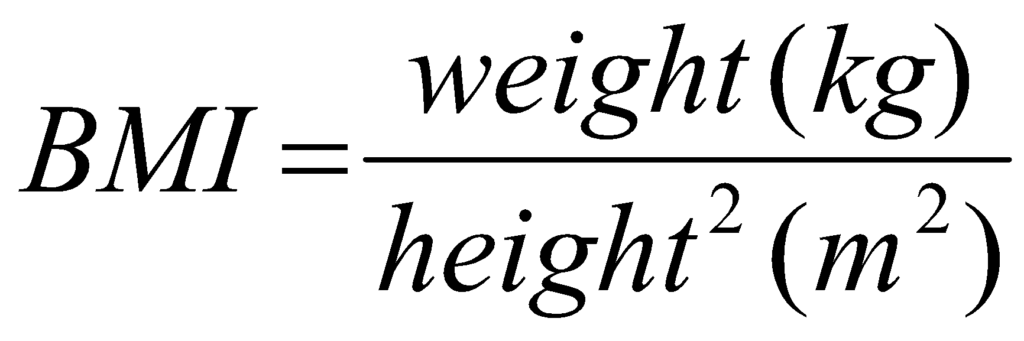
For example, if you weigh 90kg and you are 1.75m tall, you would have a bmi of 29.4, which is usually considered overweight by BMI standards.
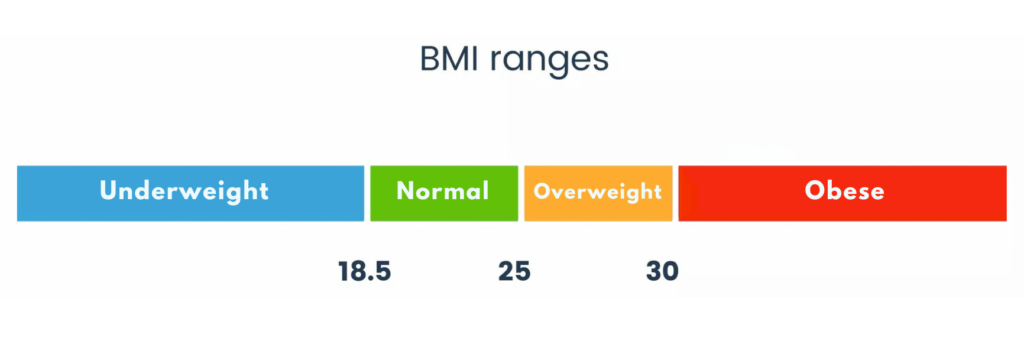
Now on paper it sounds like a quick and easy way to understand your body composition. But BMI doesn’t tell you the whole story, it only tells you how heavy you are on a scale. Is it bone, muscle or fat? If we look at someone like Arnold Schwarzenegger, he was considered to have one of the greatest physiques of all time. But he had a BMI of 31. So what’s wrong? Well, he had a lot of muscle and muscle is much heavier than fat. So while BMI is a very good starting screening tool, it’s not enough, especially for those with lots of muscle. So we need to go deeper to try and find other tools that can tell us about obesity.

Phenotypes
In medicine, we divide the types or shapes of obesity into two looks: android and gynoid type of obesity. Android/apple-shaped obesity is where your fat is surrounding your central waist or around your belly. Now gynoid/pear-shaped obesity is where the fat is mainly around the hips or thighs. So you’re first thought might be as to why this matters? This is because fat that is surrounding your internal organs is more dangerous. Evidence suggests it is more metabolically active and it is contributing to diseases stemming from obesity rather than the fat that’s sitting under your skin, legs or hips. One of the steps to understanding obesity is to understand your body composition.

Waist circumference
There are 2 other tools that are important to understanding where that fat is deposited. The first is measuring the circumference of your waist. Simply find a point between your hips and lower rib cage and use a measuring tape to measure the circumference of your waist. If your waist is more than 102cm/40in for men or 88cm/35in for women, you are considered high risk with central obesity.
The other tool is the waist to height ratio. If you receive a score above 50%, you are considered risky. However a score of 60% is extremely risky. Measure both your waist circumference and height and apply using this formula:

Body composition scales
Another really key tool to figuring out your fat levels and body composition is a body composition scale. You probably have seen one of these at a gym or leisure centre. They use bioelectrical impedance analysis, whereby they send a mild electric signal, and based on your resistance, it can estimate your fat percentage, lean mass, hydration levels and much more in depth analysis. The downside is that they are not always accurate as sometimes they can be affected by any food or water you may have consumed recently, but they are great for understand how your body composition is relatively developing over time.
It is extremely important to track these things, such as BMI, waist circumference, fat levels etc. as they can be important to help with understanding if you have obesity and your journey to becoming a healthier person.
This article offers a clear explanation of how doctors distinguish between being obese and simply heavy, highlighting the importance of overall health markers. For a deeper look into how daily habits impact women’s weight loss, this resource is also insightful: https://www.shemed.co.uk/blog/what-really-affects-womens-weight-loss-a-look-at-daily-habits. Both perspectives help broaden the understanding of weight beyond numbers on a scale.